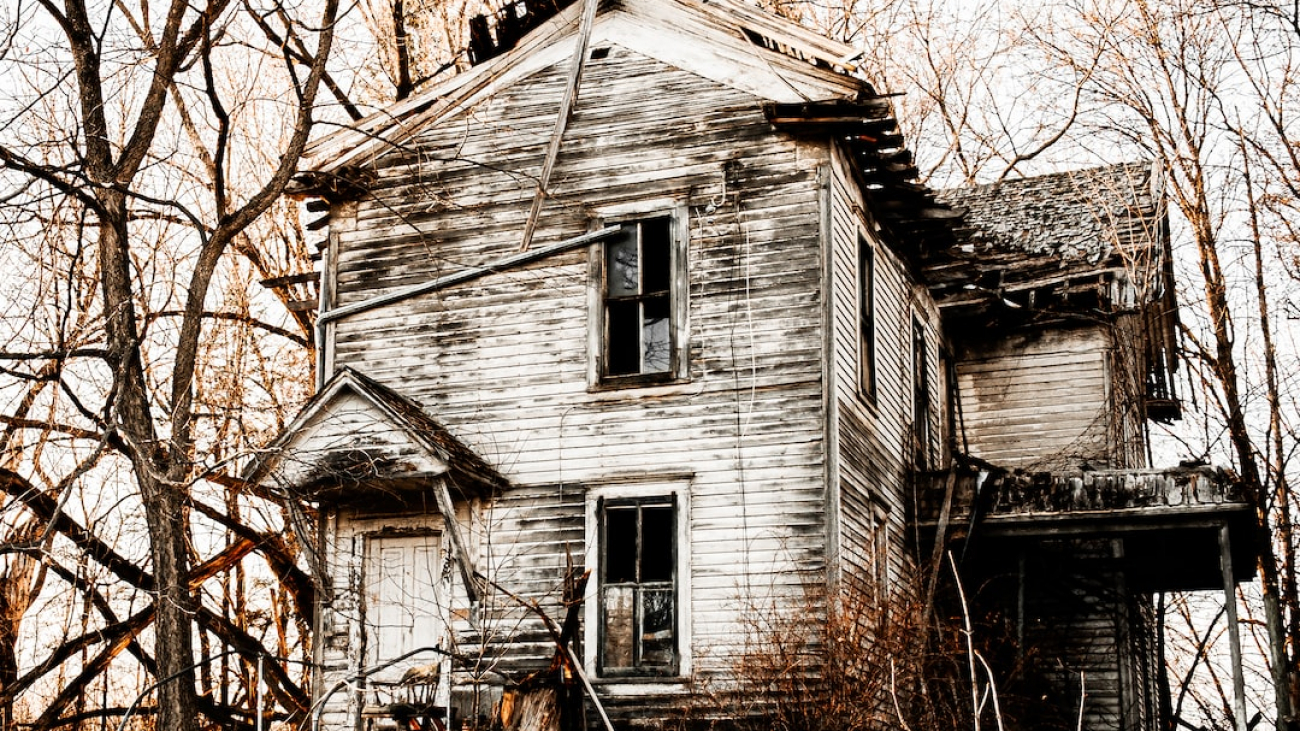
Poltergeists are a type of supernatural entity that is often associated with mischievous or malevolent behavior. The word “poltergeist” is derived from the German words “poltern,” meaning to make noise, and “geist,” meaning ghost or spirit. Believed to be accountable for a plethora of unexplained phenomena, these entities are often associated with the movement or tossing of objects, eerie sounds, and even assailments on individuals.
The origins of beliefs in this phenomena can be traced back to ancient times and are found in various cultures around the world. In many cultures, it is believed to be the spirits of deceased individuals who are restless or angry. In other cultures, they are seen as malevolent entities that have never been human. Beliefs about spirits or entities vary depending on culture and religion, but they all share a common fear and fascination with these supernatural beings.
The History: Myths, Legends, and Folklore
Poltergeist activity has been documented throughout history in various forms. In ancient Rome, the writer Pliny the Younger recounted one of the earliest known instances of this kind of activity. He vividly detailed an eerie haunted house, where objects would mysteriously shift, and unexplained sounds would permeate the air. Similar accounts can be found in ancient Greek and Egyptian mythology.
In European folklore, poltergeists were often associated with witchcraft or demonic possession. It was believed that witches or demons would use their powers to manipulate objects and torment individuals. These beliefs were fueled by the witch trials and mass hysteria that swept through Europe during the Middle Ages.
Types of Poltergeists: From Mischievous to Malevolent
There are different types of this phenomenon, each with its own characteristics and level of danger. The most common type is the mischievous type of entity, which is known for playing pranks and causing minor disturbances. These poltergeists are often seen as harmless and are believed to be the spirits of children or young adults who have not yet crossed over to the afterlife.
On the other end of the spectrum, there are malevolent ones that are known for their aggressive and violent behavior. These poltergeists are believed to be more powerful and dangerous than their mischievous counterparts. They are often associated with demonic possession or dark magic.
Strange Phenomena and Unexplained Occurrences
This level of paranormal activity is characterized by a wide range of strange phenomena and unexplained occurrences. Some common signs of activity include objects moving or being thrown, doors slamming shut, strange noises such as footsteps or voices, and even physical attacks on individuals.
One of the most well-known examples of poltergeist activity is the phenomenon of objects being thrown or moved without any apparent cause. Witnesses have reported seeing objects levitate or fly across the room, often with great force. In some cases, these objects have been known to cause injury or damage to property.
Theories and Explanations for Activity: Paranormal, Psychological, or Something Else?
The existence of poltergeists is a topic of much debate among paranormal researchers and skeptics alike. Some believe that poltergeist activity is evidence of supernatural entities or spirits, while others argue that it can be explained by psychological or environmental factors.
One theory suggests this type of activity is caused by the psychic energy of an individual, often a young person going through puberty or experiencing emotional distress. This theory suggests that the individual unknowingly channels their energy into the physical world, causing objects to move or strange phenomena to occur.
Another theory proposes that poltergeist activity is the result of electromagnetic fields or other environmental factors. It is believed that these factors can interact with the human brain, causing hallucinations or other perceptual disturbances.
Famous Cases: The Enfield Poltergeist, The Bell Witch, and More
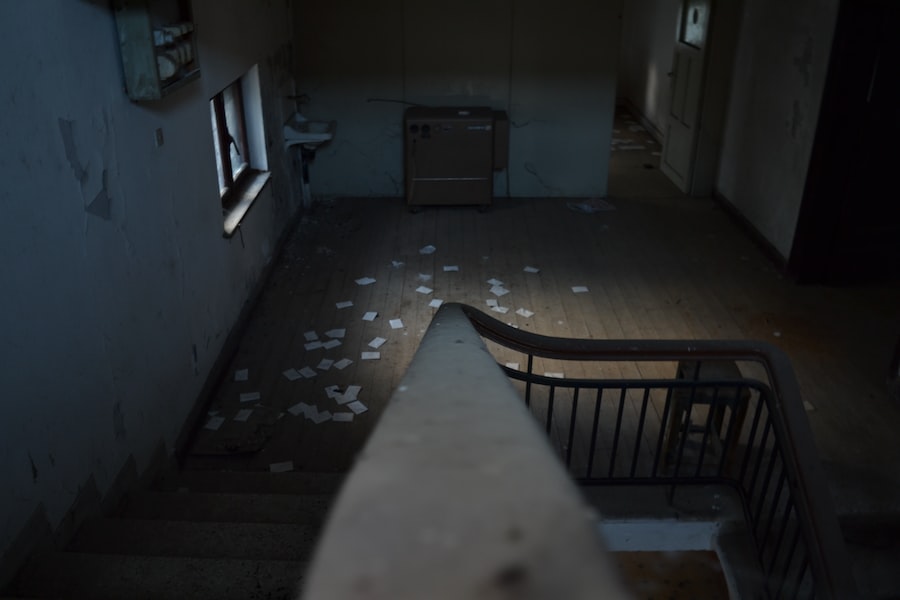
There have been many famous cases of poltergeist activity throughout history. One of the most well-known cases is the Enfield Poltergeist, which occurred in London in the late 1970s. The case involved a family who claimed to be tormented by an entity that threw objects, made strange noises, and even spoke through their young daughter.
Another famous case is that of the Bell Witch, which took place in Tennessee in the early 19th century. The Bell family claimed to be haunted by a malevolent spirit that would torment them with physical attacks and strange phenomena.
How to Identify Activity: Signs and Symptoms to Look Out For
Identifying activity can be challenging, as many of the signs and symptoms can be easily dismissed or attributed to other causes. However, there are some common signs that may indicate the presence of a poltergeist.
One of the most obvious signs is objects moving or being thrown without any apparent cause. If you notice objects levitating or flying across the room, it may be a sign of poltergeist activity. Other signs include doors slamming shut, strange noises such as footsteps or voices, and unexplained physical attacks on individuals.
Can Poltergeists be Dangerous? Risks and Precautions for Dealing with Poltergeist Activity
Poltergeists can be dangerous, especially if they are of the malevolent variety. These entities are known for their aggressive and violent behavior and have been known to cause physical harm to individuals.
If you believe you are dealing with poltergeist activity, it is important to take precautions to protect yourself and your loved ones. One of the most important things you can do is to remain calm and avoid provoking the entity. It is also a good idea to seek the help of a professional paranormal investigator or spiritual advisor who can provide guidance and assistance.
How to Get Rid of a Poltergeist: Methods and Techniques for Exorcism or Banishment
Getting rid of a poltergeist can be a challenging and complex process. There are many different methods and techniques that have been used throughout history, ranging from religious rituals to psychic interventions.
One common method is the use of exorcism, which involves the removal of the poltergeist through religious or spiritual means. This can be done by a trained priest or spiritual advisor who will perform prayers, rituals, and blessings to drive out the entity.
Another method is banishment, which involves creating a protective barrier or boundary to keep the malevolent intelligence from entering a space. This can be done through the use of talismans, charms, or other objects that are believed to have protective properties.
The Mysteries of Poltergeists and the Ongoing Debate Surrounding Their Existence.
The existence of poltergeists continues to be a topic of much debate and speculation. While some believe that they are supernatural entities or spirits, others argue that they can be explained by psychological or environmental factors.
Poltergeists, no matter where they come from, are one of the most intriguing and mysterious phenomena in the world of the supernatural. The unexplained occurrences and strange phenomena associated with this type of paranormal activity continue to captivate our imaginations and fuel our curiosity about the supernatural.
If you’re interested in the supernatural and paranormal, you might also enjoy reading about the haunting of the Black Diamond Mines. This article explores the eerie occurrences and unexplained phenomena that have been reported in this historical site. From ghostly apparitions to strange sounds and sensations, the Black Diamond Mines have become a hotspot for paranormal enthusiasts. To learn more about this fascinating case, check out the article here.
FAQs
What is a poltergeist?
A poltergeist is a type of ghost or spirit that is known for causing physical disturbances in a household or location.
What kind of physical disturbances can a poltergeist cause?
They are known for causing a wide range of physical disturbances, including moving objects, throwing objects, making loud noises, and even causing physical harm to people.
Are poltergeists dangerous?
While they can be frightening and cause physical harm, they are generally not considered to be dangerous in the sense that they are not typically known for causing serious injury or death.
What causes a poltergeist to manifest?
The exact cause of the activity is not fully understood, but it is often associated with emotional or psychological stress, particularly in young people.
Can poltergeists be exorcised or removed?
There is no one-size-fits-all solution for dealing with poltergeists, but some people believe that exorcism or spiritual cleansing can help to remove them from a location.
Are there any scientific explanations for poltergeist activity?
While there is no definitive scientific explanation for poltergeist activity, some researchers have suggested that it may be related to electromagnetic fields or other physical phenomena that are not yet fully understood.